


SWEET POTATOES
Sweet potatoes provide potassium, vitamin C, fibre, and beta-carotene—an antioxidant that prevents certain types of cancer and mops up free radicals. Most babies prefer sweet potatoes over other vegetables because of their naturally sweet taste. When cooked and mashed, sweet potatoes make a smooth puree that’s easy to eat, even for babies who are just starting the transition to solid foods.

AVOCADOS
Avocados have the highest protein content of any fruit, and they’re rich in monounsaturated fat—the “good” type of fat that helps prevent heart disease

EGGS
Egg whites provide protein, while the yolks contain zinc and vitamins A, D, E, and B12. The yolk also has choline, which research shows are crucial for brain development.

CARROTS
Carrots have large amounts of beta-carotene, an antioxidant that gives them their orange colour. Beta-carotene converts into vitamin A and plays a role in the growth and healthy vision.

YOGHURTS
Yoghurt gives your baby calcium, protein, and phosphorus, which are important for healthy bones and teeth. It also has probiotics, a type of good bacteria that aids digestion and supports the immune system.

CHICKEN
Chicken is packed with protein and vitamin B6, which is used to help the body extract energy from food. It’s important that babies start regularly eating foods containing adequate amounts of protein to support their rapid growth.

RED MEAT
Red meat provides an easily absorbed form of iron, which helps red blood cells carry oxygen to cells and assists brain development.

PUMPKIN
it boasts healthy doses of the antioxidant beta-carotene, vitamin C, potassium, fibre, folate, B-vitamins, and even some omega-3 fatty acids.

TOMATOES
Tomatoes are an excellent source of lycopene, an antioxidant pigment that helps to prevent cancer and heart disease.
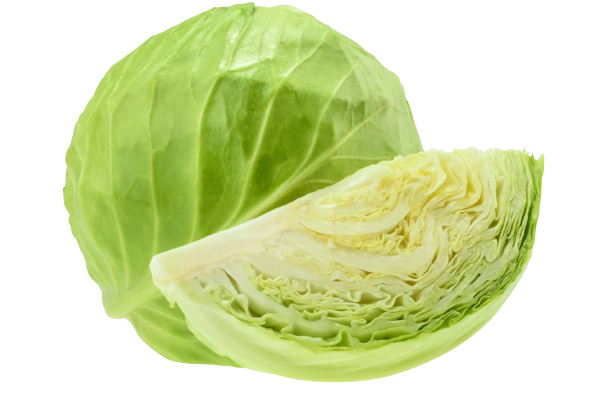
CABBAGE
Cabbage is a powerhouse vegetable. The cruciferous veggie contains plenty of vitamin C to power your baby’s immune system and vitamin K to support healthy blood. There’s also lots of fibre and even some protein.

RICE
It’s a great source of carbohydrates, which provide the energy that babies need to grow and develop as well as contribute to their protein, calcium and B-vitamin intakes.

BEANS
Beans are highly nutritious and an excellent source of many nutrients, including fibre, folate, magnesium, and plant-based protein.

APPLE
it has a lot of fibre, vitamin C, vitamin B6, and antioxidants to help a growing baby thrive.

BANANA
Bananas are packed with carbohydrates to energize the body and essential nutrients that babies need to thrive, like folate, vitamin B6, vitamin C, and potassium. Together these nutrients support the nervous system, skin health, iron absorption, and blood pressure.

PLANTAIN
Plantains are packed with B vitamins, including B6 and folate, to help babies turn food into energy and grow their cells and tissues. They also contain some vitamin A to strengthen babies’ eyesight, skin, and immune system, and vitamin C to help babies absorb iron and develop a strong immune system.

FLUTED PUMPKIN LEAF (UGU LEAF)
Aids in the prevention of cardiovascular diseases · Increases Production of Breast Milk.

FISH
Fish contains proteins without high saturated fat content. It is high in omega-3 fatty acids and D vitamins. Babies and young children require omega 3 fatty acids and DHA (docasahexemonic acid), which is important for the development of children’s eyes and brains.

OATS
Oats are one of the most nutritious foods for babies, as it contains minerals like calcium and phosphorous – good for the bones, iron for haemoglobin, and potassium and sodium for the brain, muscles, and spinal cord. It also contains Vitamins for the suitable growth of the baby’s body. It improves the immune system.